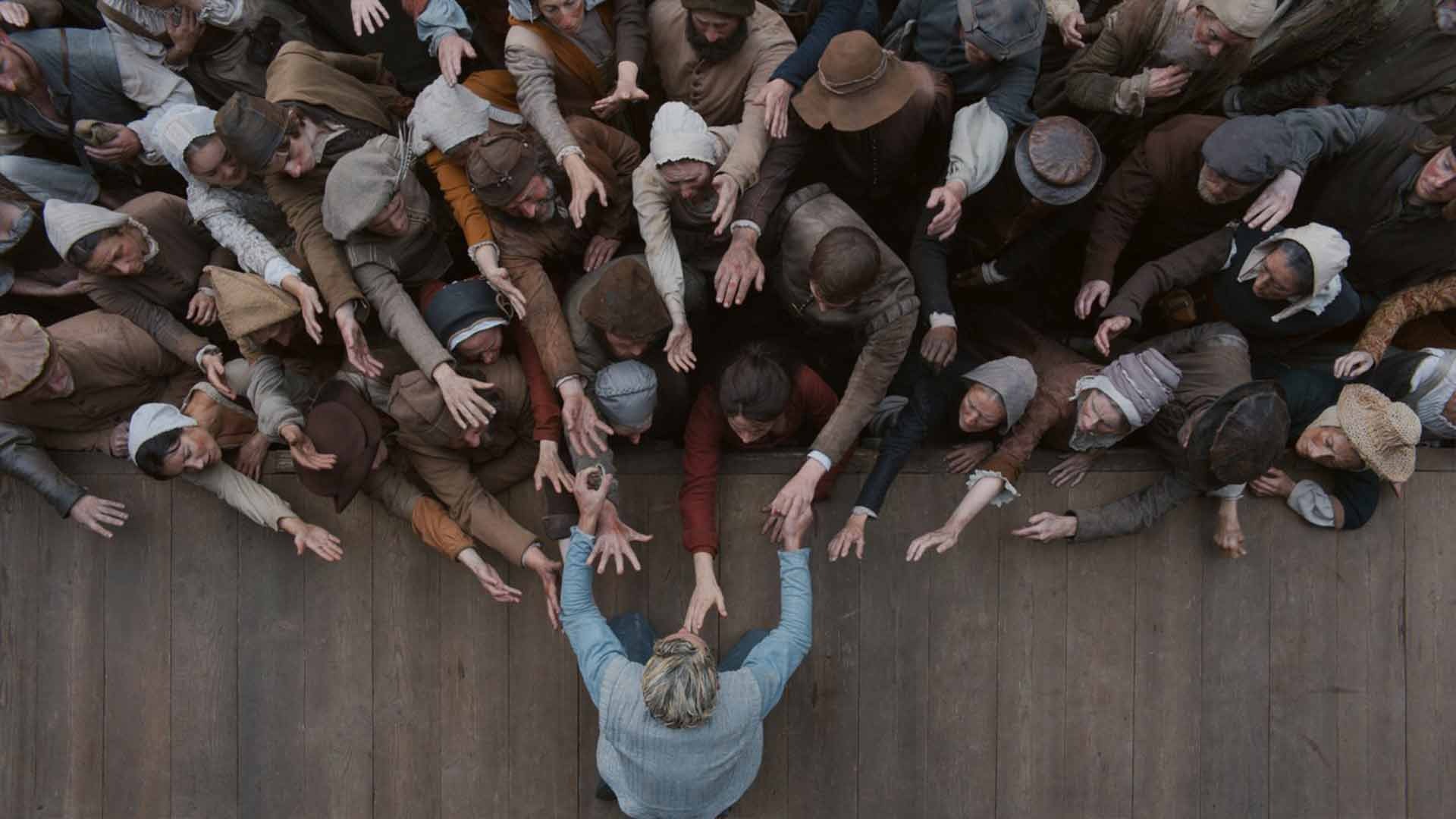
Hamnet: A reflection on the life of shakespare
The pain of loss, the search for meaning, and the hope we find in Christ. In this article, we reflect on Chloée Zhao's movie "Hamnet" through the lens of Scripture.
CINEMA
6/8/20263 min read


The film Hamnet, inspired by the novel of the same name by Maggie O'Farrell, is a cinematic portrayal that explores the life of playwright William Shakespeare and the tragic loss of his son, Hamnet. In this context, the film not only offers a glimpse into Shakespeare's personal life but also reflects on his literary works and the impact these experiences may have had on his writing.
Hamnet stands out for its deep and emotional narrative that addresses the challenges of parenthood and the pain of loss. Set in Stratford-upon-Avon, the story follows the complexities of the Shakespeare family during a period of great hardship. The way Hamnet's death intertwines with Shakespeare's literary creations offers a fresh perspective on his genius. The story is told in a way that humanizes the literary icon, revealing a Shakespeare marked by grief and seeking comfort through art.
Hamnet leads us to reflect on one of life's most difficult realities: the pain of loss. The story follows a family grieving the death of a child, showing how such suffering deeply affects every member of the household. As we watch, we are reminded that the Bible does not ignore human sorrow. On the contrary, Scripture presents men and women of God who wept, suffered, and poured out their hearts before the Lord.
The loss of someone we love can bring questions, sadness, and even feelings of emptiness. In moments like these, we find comfort in the words of Psalm 34:18: “The Lord is near to the brokenhearted and saves those who are crushed in spirit.” God is not indifferent to human suffering. He draws near to those who are hurting and offers comfort in the midst of pain.
The film also reminds us of the fragility of life. We often live as though we are in control of everything, but the reality is that our days are in God's hands. This truth should not lead us to despair, but rather to trust more deeply in the Lord and to cherish every moment He gives us.
Furthermore, the story points to a need that every human being possesses: hope. Without hope, suffering seems meaningless. The gospel, however, presents a hope that reaches beyond this life. Through the death and resurrection of Jesus Christ, those who believe in Him can face even death with confidence, knowing that it does not have the final word.
While Hamnet portrays the pain of grief in a sensitive and deeply human way, Scripture reveals a God who knows our tears and promises a future where there will be no more death, mourning, crying, or pain. Therefore, as we reflect on this story, we are invited to look to Christ, who entered into our suffering to offer us comfort, hope, and eternal life.
The great lesson is that pain is real, but God's grace is real as well. In the midst of life's losses, we can find rest in the One who promised to be with us always and who will one day make all things new (Revelation 21:4-5).
The famous phrase, “To be, or not to be: that is the question,” associated with Hamlet, expresses a profound reflection on human existence. It reveals someone wrestling with pain, uncertainty, and the meaning of life. At various moments, all of us ask similar questions: What is the purpose of my existence? Is it worth continuing? How should I deal with suffering?
The Bible acknowledges that life in this world is marked by affliction. Men such as Job, Elijah, and Jeremiah experienced intense anguish, even wishing they had never been born. Scripture does not hide the reality of human suffering. Yet it offers an answer that goes beyond mere existence: we were created by God and for God.
When human beings try to find meaning solely within themselves, they often encounter emptiness. Solomon, in Ecclesiastes, experienced wealth, pleasure, knowledge, and achievement, yet concluded that everything was meaningless when lived apart from God. The great question is not merely “to be or not to be,” but rather, “For whom am I living?” and “What is the purpose of my existence?”
The gospel teaches that our identity is not rooted in our successes, failures, or passing emotions. In Christ, we find the true meaning of life. He shows us that we were created to know, love, and glorify God. When we understand this, existence ceases to be an unanswered question and becomes a reality filled with eternal purpose.
Moreover, Christ's resurrection offers hope in the face of humanity's deepest struggles. Suffering, death, and despair do not have the final word. For those who belong to Jesus, there is the promise of eternal life and the restoration of all things.
In light of Scripture, the most important question is not simply “to be or not to be.” The true question is: Am I living reconciled to God through Christ? When that question finds its answer in Jesus, life gains a meaning that neither pain, time, nor death can destroy.
“I have come that they may have life, and have it abundantly.” — John 10:10
In Christ, the answer to the great question of existence is not merely to continue living, but to live for the glory of God and to find in Him the reason for our hope.